


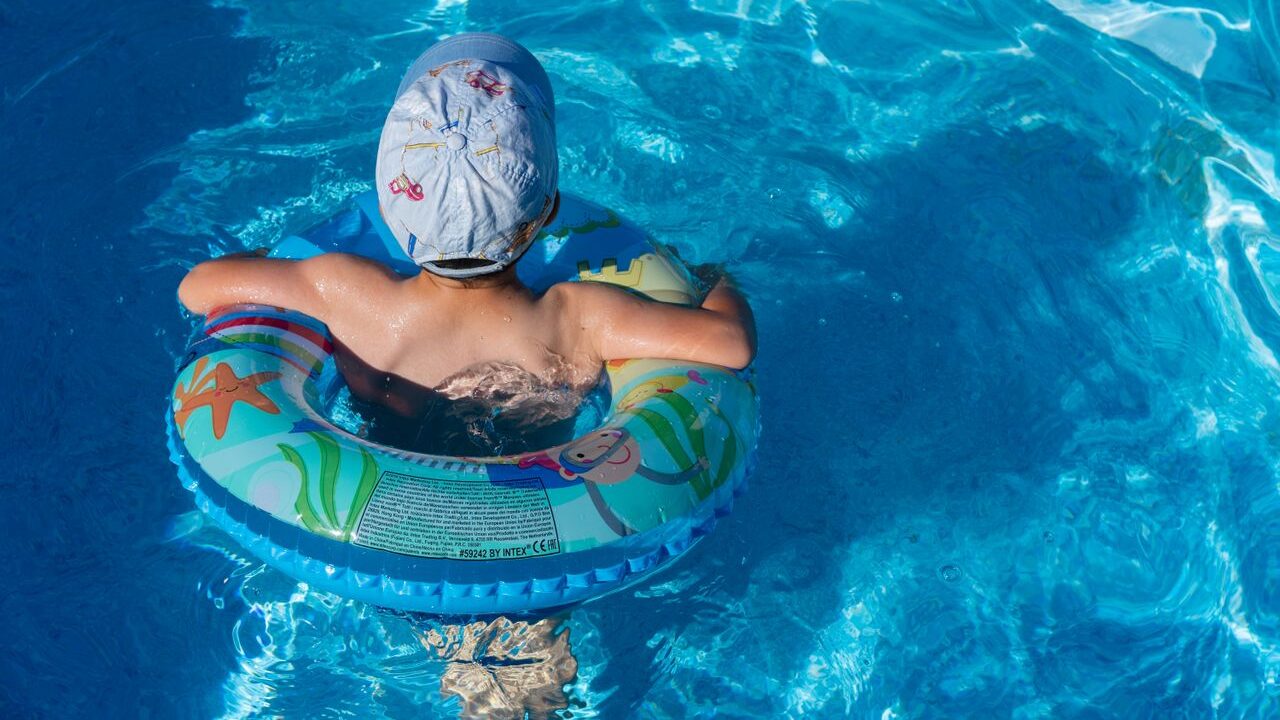
When your child is hurt in or around a swimming pool, your first concern is getting them the medical care they need. You may be dealing with an emergency room visit, hospitalization, follow-up appointments, or uncertainty about how fully your child will recover.
You may also find yourself replaying what happened. As the immediate shock begins to settle, you may start wondering whether unsafe pool conditions contributed to the injury or whether another safety measure could have helped prevent it.
Questions about who was supervising your child can become part of the investigation, but they do not necessarily explain everything that contributed to the injury. Was someone supposed to be watching the pool? Did a gate fail to close? Was the water too cloudy to see your child beneath the surface? Could a problem with a drain, ladder, diving area, or other equipment have contributed?
Understanding what happened can require examining how your child reached the water, whether the pool was properly maintained, what supervision and safety equipment were available, and how quickly staff or other responsible adults recognized and responded to the emergency.
Could a Fence, Gate, or Access Problem Have Allowed Your Child to Reach the Pool?
A young child may not understand how quickly a pool can become dangerous. That is why barriers and controlled access can be so important.
After an injury, questions may arise about whether the pool was properly enclosed and whether the gate closed and latched as intended. An investigation may also examine whether the latch was within a young child’s reach, whether part of the fence was damaged, or whether furniture or other objects made the barrier easier to climb.
At an apartment complex, hotel, condominium community, or other shared property, maintenance records can show whether a gate or lock had been reported as damaged or unreliable. Prior complaints can also help determine whether management had notice of the same or a similar problem before the injury.
The requirements are not identical for every pool. The type of property, the pool’s age and construction, and the codes in effect when it was built or altered can all affect which barrier and access rules apply.
Was a Lifeguard or Other Responsible Adult Supposed to Be Watching the Pool?
New Jersey does not require a lifeguard at every swimming pool. Whether lifeguard coverage was required depends on the type of facility, how the pool was operated, who was permitted to use it, and whether the facility qualified for a specific exemption under state regulations.
At camps, schools, municipal pools, hotels, apartment communities, clubs, and other shared facilities, the investigation should examine which regulatory and facility-specific supervision requirements applied, what supervision was actually provided, and whether it matched the facility’s written policies or information given to families.
When lifeguards or other staff members were present, important questions include:
- Staffing levels: Whether enough properly trained personnel were assigned.
- Visibility: Whether they had a clear view of the swimming area.
- Competing duties: Whether distractions or unrelated duties interfered with supervision.
- Emergency procedures: Whether staff followed the facility’s emergency procedures.
- Program policies: Whether a camp, school, or child-care program followed its written supervision policies.
Some facilities qualify for an exemption from New Jersey’s mandatory lifeguard and first-aid staffing rules. Under the state’s Public Recreational Bathing Code, that exemption does not eliminate their other pool operation and safety responsibilities.
The absence of a lifeguard does not automatically establish negligence. The central questions are what safety measures were required, what supervision the facility said it would provide, and whether that supervision was carried out reasonably.
Could the Pool or Its Equipment Have Been Unsafe?
A pool injury may involve more than access or supervision. The physical condition of the pool and surrounding area should also be considered.
Conditions that warrant closer examination include:
- A missing, damaged, loose, or incompatible drain cover
- Water that was too cloudy to clearly see the pool bottom
- Missing or unclear depth markings
- A diving area that was not appropriate for the water depth
- A broken ladder, handrail, slide, or diving board
- Exposed or improperly maintained electrical components
- Improperly stored or handled pool chemicals
- A damaged deck or excessive standing water caused by a drainage or maintenance problem
Water is expected around a swimming pool, so a wet surface alone does not prove that the property was unsafe. The relevant question is whether defective drainage, damaged materials, poor maintenance, or another unreasonable condition contributed to what happened.
If a drain, pump, ladder, or other component failed, the investigation can extend beyond the property owner. Maintenance records, repair work, installation practices, and information about the equipment’s design or manufacture can help explain why the component failed and identify the people or companies whose work should be investigated.
Who May Be Responsible When a Child Is Injured at a New Jersey Pool?
When your child is injured at a New Jersey pool, it may not be immediately clear who was responsible for keeping the pool and surrounding area safe. The answer depends on who owned, operated, controlled, inspected, maintained, or supervised the pool and which act or condition contributed to the injury.
Depending on where and how the injury occurred, the investigation may include:
- A homeowner or tenant
- A hotel, apartment complex, or condominium association
- A property management company
- A municipality, county, public school, or other public entity
- A private school, camp, or child-care program
- A pool-management or lifeguard company
- A maintenance or repair contractor
- An equipment manufacturer
A connection to the property or pool does not automatically make a person or company legally responsible. The evidence must show what responsibility that party had, what it did or failed to do, and whether that conduct contributed to the child’s injury.
What Evidence Can Help Explain How the Pool Injury Happened?
Pool conditions can change quickly after an accident. A broken gate may be repaired, cloudy water may be treated, equipment may be replaced, and surveillance footage may be overwritten.
Important evidence can include photographs, surveillance or cellphone video, incident reports, witness information, lifeguard schedules, training records, inspection reports, water-quality logs, maintenance records, prior complaints, and emergency-response records.
At a camp, school, or child-care facility, attendance records and written supervision policies may also matter. If defective equipment is suspected, identifying its manufacturer, model, and condition before it is discarded can be important.
Your first responsibility is caring for your child. You should not feel that you must personally collect every record while your family is coping with an injury. At Rudnick, Addonizio, Pappa & Casazza PC, we can help identify the records and other evidence that should be requested and preserved as the circumstances surrounding the injury are investigated.
Can Questions About Supervision Affect a Child’s Pool Injury Claim?
An insurance company can ask who was supervising your child, whether safety instructions were followed, and how your child entered the pool area. Those questions can affect the analysis, but they do not automatically excuse a broken gate, inadequate facility supervision, poor water visibility, an equipment problem, or another property condition that contributed to the injury.
A child’s conduct is not automatically judged by the same standard applied to an adult. Depending on the child’s age and capacity, New Jersey considers what could reasonably be expected from a child of similar age, judgment, and experience, including the child’s ability to understand and avoid the particular danger.
Families should not assume that questions about supervision end the claim before the property’s own safety measures have been carefully reviewed.
How Long Does a Family Have to Act?
Filing and notice deadlines can depend on the child’s age, the identity of the potentially responsible parties, and the particular claims being pursued.
When a claim may be brought against a municipal pool, public school, county facility, state agency, or other public entity, the New Jersey Tort Claims Act may require that a notice of claim be presented. The Act generally requires notice within 90 days after a claim accrues, although special rules and exceptions can affect claims involving minors and separate claims pursued by their parents.
Claims involving private property are subject to different filing rules. Even when additional time may be available because the injured person is a child, waiting can make the case harder to investigate. Surveillance footage may be overwritten, gates or equipment may be repaired, water conditions may change, and maintenance, staffing, or inspection records may become more difficult to obtain.
Because the applicable deadlines and notice requirements depend on who controlled the pool and which claims are being considered, they should be reviewed promptly rather than assumed.
Speak With a New Jersey Premises Liability Attorney
A serious pool injury can leave your family with questions about medical care, your child’s recovery, and whether the accident could have been prevented.
At Rudnick, Addonizio, Pappa & Casazza PC, we can review the circumstances surrounding the injury, investigate who controlled or maintained the pool, and evaluate whether an unsafe condition or negligent act contributed to what happened.
Our attorneys represent injured children and their families in Monmouth, Middlesex, and Ocean counties and throughout New Jersey. Contact our firm through our online contact form to schedule a consultation, discuss what happened, and learn more about your legal options.
Disclaimer: The articles on this blog are for informational purposes only and are not a substitute for legal advice. Reading this article does not create an attorney-client relationship. If you are seeking legal advice, please contact our law firm directly.